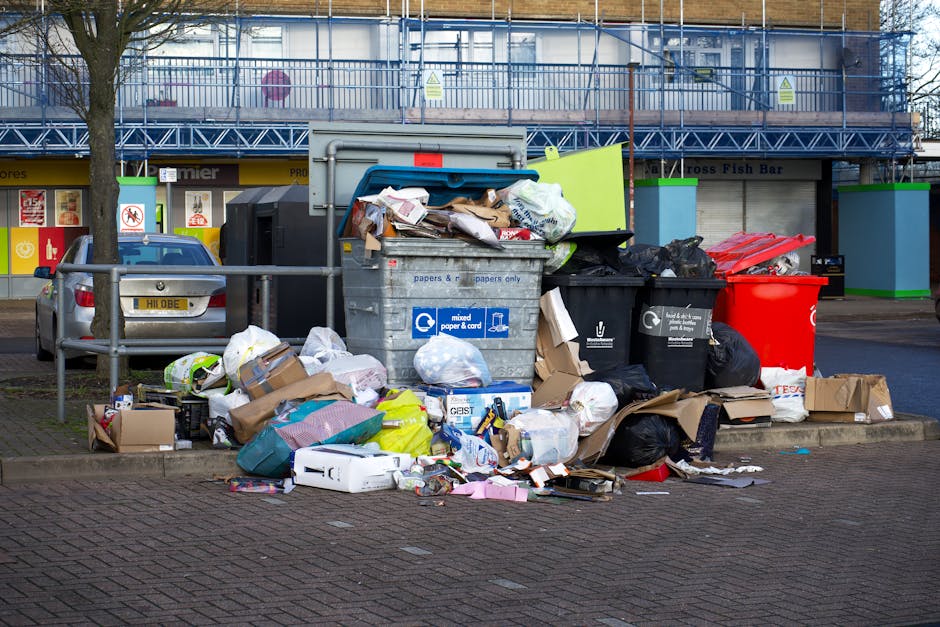
Avoid common mistakes when booking Thamesmead rubbish removal
Booking rubbish removal sounds simple until it isn't. One minute you're clearing a garage, a flat, or a pile of builders' waste; the next, you're dealing with vague quotes, missed collections, access problems, or waste that was never going to be taken in the first place. If you want to avoid common mistakes when booking Thamesmead rubbish removal, the trick is to slow down just enough to ask the right questions before anyone turns up with a van.
That matters in Thamesmead because homes, flats, shared entrances, parking limits, and busy access routes can make a straightforward job more complicated than it first looks. A good booking should feel clear, tidy, and predictable. A bad one can turn into a costly headache very quickly. This guide walks through the mistakes people make, how the process should work, and what to check so you can book with confidence, not crossed fingers.
Table of Contents
- Why it matters
- How the booking process works
- Key benefits and practical advantages
- Who this is for and when it makes sense
- Step-by-step guidance
- Expert tips for better results
- Common mistakes to avoid
- Tools, resources and recommendations
- Law, compliance, standards, or best practice
- Options, methods, or comparison table
- Case study or real-world example
- Practical checklist
- Conclusion
- Frequently asked questions
Why Avoid common mistakes when booking Thamesmead rubbish removal Matters
Most rubbish removal problems come from assumptions. People assume the quote is fixed. They assume everything can be lifted from where it sits. They assume the crew will know what needs separating, and they assume restricted items can be taken without any extra planning. To be fair, those assumptions are easy to make when you just want the mess gone.
But a rubbish removal booking is only as good as the information you give at the start. If the job is underestimated, the price can change. If access is awkward, collection can take longer. If waste is mixed up, the team may need to sort it on site, which affects cost and timing. And if you accidentally choose a service that is not set up for your type of waste, you may lose time before you even begin.
In Thamesmead, that can be especially frustrating. A single missed detail, like no parking space near the property or a narrow stairwell in a top-floor flat, can ripple through the whole appointment. The result? More stress, more delay, and a job that feels heavier than the waste itself. Nobody wants that on a Friday afternoon with bags stacked by the door.
Expert summary: The smartest rubbish removal bookings are not the cheapest at first glance; they are the ones with the clearest scope, the cleanest pricing, and the least room for surprise.
How Avoid common mistakes when booking Thamesmead rubbish removal Works
A well-run booking usually follows a simple pattern. First, you describe what needs removing, where it is, and how much there is. Then you receive guidance on price, timing, and any access or loading requirements. After that, the team arrives, confirms the load, and removes the waste.
The process sounds straightforward, but the detail matters. For example, "some garden waste" could mean a few bags of trimmings or a full pile of soil, branches, and broken fencing. Those are very different jobs. Similarly, "a few bits of furniture" may hide a bulky sofa, wardrobes, and a mattress that needs extra handling. The clearer you are, the more accurate the booking becomes.
It also helps to understand what rubbish removal is not. It is not a magic invisibility service for everything in sight. Certain materials may need special handling, and some services focus on domestic waste, while others are better suited to office clearance, builders' waste, or bulky furniture. If your job is more specific, it makes sense to use a relevant service such as house clearance, flat clearance, or builders waste clearance rather than trying to squeeze everything into one vague request.
A good provider will ask questions, not just take payment and hope for the best. That is usually a good sign. If they sound rushed or oddly uninterested in the details, pause. Little things matter here.
Key Benefits and Practical Advantages
When you book properly, rubbish removal becomes one of the easiest parts of a clear-out. You save time, reduce lifting and sorting, and avoid trying to fit heavy bits into a car that was never meant for a wardrobe. The real benefit, though, is certainty. You know what is being removed, when it is happening, and roughly what it will cost.
There is also a mental benefit people underestimate. A cluttered room can feel weirdly louder than a tidy one. You notice every bag, every old chair, every half-finished project. Once the waste is gone, the space feels usable again. That sounds a bit grand, maybe, but anyone who has cleared a hallway full of stuff knows exactly what I mean.
Other practical advantages include:
- Less time spent handling awkward waste yourself
- Lower risk of damage to walls, floors, or stairwells during moving
- Better sorting of recyclable and reusable items
- Cleaner disposal for bulky or mixed loads
- More predictable booking times for busy households and businesses
If your waste includes furniture, it can be worth checking the difference between furniture clearance and furniture disposal. The wording may sound similar, but the best choice depends on what you are removing and whether anything could be reused or recycled.
Who This Is For and When It Makes Sense
This guide is for anyone trying to clear waste without making life harder than necessary. That includes homeowners, tenants, landlords, tradespeople, shop owners, office managers, and people helping a parent or relative sort out a property. Truth be told, rubbish removal becomes most useful when the waste is too much for bins, too awkward for a normal vehicle, or too mixed up for a quick weekend trip to the tip.
It often makes sense when you are dealing with:
- A house move or end-of-tenancy tidy-up
- Garage clutter that has quietly built up over years
- Garden waste after pruning, landscaping, or storm damage
- Loft or attic contents that are dusty, bulky, and difficult to carry
- Office furniture, packaging, or general business waste
- Post-refurbishment debris and light construction waste
If your project is room-by-room, you might also find home clearance or loft clearance more suitable. And for commercial spaces, office clearance or business waste removal can be the better fit.
There is no prize for choosing a broad service when a more precise one would do the job better. A bit of matching up at the start saves a lot of faffing about later.
Step-by-Step Guidance
If you want a smooth booking, follow a process rather than guessing your way through it. Here is a practical route that keeps most mistakes out of the picture.
- List everything that needs removing. Be specific. "Three bin bags, one sofa, one broken desk, and a dismantled wardrobe" is far more useful than "general rubbish".
- Group items by type. Separate garden waste, furniture, building debris, and mixed household waste where possible. That helps with pricing and handling.
- Check access. Think about stairs, lifts, parking, gate codes, narrow hallways, and whether a van can stop nearby. This is where many bookings get awkward.
- Ask how pricing is calculated. Is it based on volume, labour, item count, or a combination? You do not need a lecture, just a clear explanation.
- Confirm what cannot be taken. Some materials need special treatment or advance notice. Better to ask before collection day than be surprised at the kerb.
- Choose a time that suits the property. If neighbours, building managers, or office staff need to be informed, do that early.
- Prepare the waste if asked. Put smaller items together, keep pathways clear, and make sure anything important has been removed.
- Recheck the booking details. Date, time window, address, contact number, and the agreed scope. Simple, but essential.
A small but useful habit: take a few photos of the waste before you book. Nothing fancy. Just enough to show size, access, and whether the pile is larger than it first looks. People often underestimate volume when they are standing beside it. Happens all the time.
Expert Tips for Better Results
One of the best ways to avoid common mistakes when booking Thamesmead rubbish removal is to think like the crew will think on the day. What will slow them down? What might stop them lifting the item safely? What could make the quote less accurate?
Here are a few things that make a real difference:
- Be honest about the amount of waste. It is tempting to describe a big pile as "small" because nobody likes a higher quote. But underplaying the load usually backfires.
- Point out awkward items. Mattresses, wardrobes, broken glass, heavy timber, and soil all behave differently.
- Flag access issues early. If the collection point is up two flights of stairs or behind a locked gate, say so.
- Ask about recycling and reuse. Responsible disposal is not just about moving things on quickly.
- Keep pathways clear. It makes the collection safer and faster, and yes, less muddy if the weather has been doing its usual London thing.
If you are booking as part of a renovation, it may help to use a service designed for heavier debris, such as builders waste clearance. For outdoor jobs, garden clearance is usually the more sensible route. Matching the job to the service is one of those boring but brilliant decisions.
Another tip: do not assume every provider works the same way. Some will want photos. Some prefer a call. Some can give a rough estimate first and then confirm on arrival. None of that is unusual. What matters is that the process is clear enough for you to trust it.
Common Mistakes to Avoid
This is the part that saves the most hassle. The mistakes below are small on paper and annoying in real life.
- Booking without checking the waste type. Mixed waste, furniture, soil, and construction debris are not interchangeable. They just aren't.
- Not measuring access. A pile that looks fine from the front room can become a nightmare if it has to travel down tight stairs or through a narrow side passage.
- Ignoring parking restrictions. In a busy residential area, van access matters more than people expect.
- Leaving everything until the last minute. If you need the space cleared before move-out, a trades visit, or an inspection, book early enough to leave room for changes.
- Choosing on price alone. The cheapest quote is not always the best value if it excludes labour, loading, or disposal details.
- Forgetting about reusable items. Good clearances often separate items that can be reused or recycled from pure waste.
- Not asking about proof of insurance or safety procedures. You do not need a dramatic checklist, just enough reassurance that the provider takes the job properly.
- Assuming all rubbish can go together. That is a fast route to delays and awkward conversations.
A subtle one people miss: not checking payment details. If you want a simple process, look at the provider's payment and security information and their pricing and quotes guidance before confirming anything. It is a small step, but it can prevent a fair amount of confusion.
Tools, Resources and Recommendations
You do not need specialist kit to book rubbish removal well, but a few simple tools help.
- Phone camera: Take clear photos of the waste and access points.
- Notepad or notes app: Write down item counts, sizes, and anything awkward.
- Measuring tape: Useful for bulky furniture, loft openings, or narrow entrances.
- Calendar reminder: Handy if you are coordinating a move, landlord handover, or builder schedule.
- Bin bags, labels, and gloves: Helpful for sorting items before collection.
For people who want a broader overview of what can be cleared, the main waste removal page is a sensible starting point. If you want to understand the company's approach to responsible disposal, the recycling and sustainability information is worth a look. That is especially useful if you are trying to reduce waste rather than simply shift it out of sight.
You may also want to review the company's insurance and safety and health and safety policy pages if your property is awkward, shared, or contains heavier items. It gives you a better sense of how carefully the work is handled.
Law, Compliance, Standards, or Best Practice
Rubbish removal is not just a logistics issue; there is a compliance side too. In the UK, householders and businesses have responsibilities around how waste is handed over, transported, and disposed of. You do not need to become a waste expert, but you should know enough to choose a provider that handles things properly and can explain what happens to your waste in plain English.
Best practice usually includes clear identification of the waste type, sensible sorting where practical, safe lifting and handling, and appropriate disposal routes for different materials. For businesses, the bar is a little higher because waste streams may be mixed with office equipment, packaging, or trade waste. That is why a service such as business waste removal can be more suitable than a general clear-out in some cases.
It is also sensible to check a provider's policies if you care about how they operate. Pages like terms and conditions, privacy policy, complaints procedure, and accessibility statement are not glamorous reads, granted, but they do tell you a lot about professionalism.
For unusual loads, trust your instincts. If you are not sure whether something is suitable for standard removal, ask before the booking is confirmed. A little caution now is better than a messy refusal at the kerb.
Options, Methods, or Comparison Table
Different clear-out methods suit different jobs. Here is a simple comparison to help you choose.
| Option | Best for | Pros | Watch-outs |
|---|---|---|---|
| General rubbish removal | Mixed household waste, bags, smaller bulky items | Convenient, quick, minimal lifting for you | Not ideal for specialist loads or large project waste |
| House clearance | Whole-property clear-outs, bereavement, moves | Broad coverage, good for larger volume jobs | May be more than you need for a small pile |
| Flat clearance | Flats, apartments, shared access buildings | Better suited to stairs, lifts, and access issues | Parking and building rules still matter |
| Garden clearance | Branches, cuttings, soil, outdoor clutter | Handled with outdoor waste in mind | Heavier loads may need special planning |
| Builders waste clearance | Renovation debris, rubble, trade leftovers | Matches the realities of site waste | Not every item is acceptable in a standard load |
If you are unsure which route fits, think about where the waste came from and how awkward it is to move. That usually points you in the right direction pretty quickly. If a job is more specialised, use the corresponding service rather than hoping a general booking will magically cover it.
Case Study or Real-World Example
A fairly typical example: a resident in Thamesmead wants to clear a flat before a tenancy handover. There are three bags of general waste, a small chest of drawers, an old mattress, some broken shelving, and a box of odds and ends from the kitchen. Sounds simple enough.
At first, the job is described as "a few bits of rubbish". That leads to a rough quote, but there is no mention of the third-floor walk-up, the tight stairwell, or the fact that the mattress is wedged behind other furniture. On the day, the crew can still do the work, but the job takes longer than expected and needs more handling than anyone planned for.
Now imagine the same booking done properly. The customer sends a few photos, mentions the floor level, confirms the items, and points out that parking is limited outside the building after 10 a.m. The quote is more accurate, the arrival window is realistic, and the collection goes through without drama. No fuss, no guesswork, no awkward back-and-forth in the hallway.
That is the difference. Not glamorous, just efficient. And efficient is lovely when you are trying to hand back keys or get on with a renovation.
Practical Checklist
Use this quick checklist before confirming your booking.
- Have I listed every item clearly?
- Do I know roughly how much waste there is?
- Have I checked access, stairs, parking, and loading space?
- Do I know whether the load is mixed, bulky, garden, builders', or furniture waste?
- Have I asked what is excluded or needs special handling?
- Have I checked the pricing approach and what is included?
- Have I reviewed safety, insurance, and payment information?
- Have I chosen the right clearance type for the job?
- Have I taken photos in case I need to explain the load again later?
- Do I know the collection date, time, and contact details?
If you can tick all of those off, you are already ahead of most people. Honestly, a bit of preparation goes a long way here.
Conclusion
Avoiding common mistakes when booking Thamesmead rubbish removal is mostly about clarity, preparation, and choosing the right type of service for the job. Get those three things right and the process becomes far calmer: more accurate pricing, fewer delays, safer handling, and a much better result overall.
Whether you are clearing a flat, sorting a garage, removing garden waste, or dealing with a bigger property clean-out, the goal is the same. Make the booking easy to understand, and the collection is much more likely to go smoothly. Simple, really. Not always easy, but simple.
If you are still weighing up the best next step, take a moment to check the service details and the practical information available across the site, then book only when the scope feels clear.
Get a free quote today and see how much you can save.
Frequently Asked Questions
What is the most common mistake people make when booking rubbish removal?
The biggest mistake is underestimating the amount or type of waste. That leads to unclear quotes, extra handling, and sometimes a booking that does not quite match the job.
Should I send photos before booking Thamesmead rubbish removal?
Yes, if you can. Photos help show volume, access, and awkward items, which makes it easier to give a more accurate estimate. It saves time later, too.
Is it better to choose the cheapest rubbish removal quote?
Not always. The cheapest quote may not include the same level of service, access planning, or waste handling. Value matters more than a low headline price.
How do I know whether I need house clearance or general waste removal?
If you are clearing an entire property or several rooms, house clearance may fit better. If you only have mixed waste or a smaller load, general waste removal is often enough.
Can rubbish removal teams take furniture as well as bags of waste?
Usually yes, but it helps to state it clearly. Bulky items such as sofas, wardrobes, and mattresses can change the handling needs, so mention them early.
What should I do if access is difficult?
Tell the provider before confirming the booking. Mention stairs, lifts, parking issues, narrow hallways, gated access, or anything else that might slow loading.
Do I need to sort waste before collection?
Not always, but sorting helpful categories, such as garden waste, furniture, and builders' waste, can improve efficiency and reduce confusion on the day.
What if I am not sure whether an item can be collected?
Ask before you book. That is the safest option. Some items need special handling, and it is better to know in advance than discover it during collection.
How far in advance should I book rubbish removal?
If your timing matters, book as early as you can. Even a short delay can be frustrating if you are moving out, finishing a project, or expecting a property inspection.
Is it worth checking a company's insurance and safety information?
Yes. It gives you a better sense of how seriously the provider takes safe lifting, property care, and professional working practices.
What is the best way to avoid surprise charges?
Be precise about the waste, access, and any special items. Also ask what the quote includes so you understand whether labour, disposal, or loading are covered.
Can rubbish removal help with garden and builder waste too?
Yes, if the service is set up for that type of load. For outdoor jobs, garden clearance is often the better fit, while renovation debris is usually better handled through builders waste clearance.
What should I look for in a trustworthy provider?
Look for clear pricing, sensible questions about access, straightforward policies, and a practical approach to waste handling. If the process feels rushed or vague, that is usually a warning sign.
Where can I learn more about related services?
You can review the service pages for home clearance, office clearance, garage clearance, and loft clearance depending on the kind of space you need cleared.