Garden Clearance in Thamesmead
Garden clearance in Thamesmead should leave outdoor space ready for its next use, whether that means removing brash after pruning, lifting old planting, clearing broken garden items or dealing with mixed green waste that has built up over time. Our service focuses on practical clearance work for domestic and shared outdoor areas, with a straightforward approach to sorting, loading and removing the material that no longer belongs in the garden. The result is a cleaner, safer space that is easier to maintain and plan around.
We handle different kinds of outdoor clearance with care for the property and the materials involved. Some jobs are mostly green waste, while others include timber, plastic planters, damaged fencing sections, old compost bags or general garden clutter. By keeping the service broad but organised, we can deal with the kind of mixed load that often appears after a seasonal tidy-up, landscaping change or property cleanout. If you need garden clearance in Thamesmead, this page outlines the main work we carry out and how to request a quotation.
Typical clearance work can include removing cuttings from hedges and shrubs, collecting leaves, lifting bagged waste, clearing sheds or side returns of loose outdoor items, and taking away accumulated rubbish from beds, borders, paths and patios. We also deal with awkward combinations of waste that do not fit neatly into one category, provided they are lawful and suitable for removal. Good clearance is more than a quick sweep-up; it is a practical sorting and removal service that helps restore usable space without leaving loose debris behind.
Outdoor Clearance for Lawns, Borders and Access Routes

Clearance often starts with the obvious growth and ends with the items that have been left around it. Lawns can be littered with clipped stems, broken pots or forgotten garden furniture parts, while borders may contain dense cuttings, rooted weeds and old plant supports that have become difficult to separate. Our work is designed to remove those materials in a controlled way so the area can be mown, replanted or simply kept in better condition. Where necessary, we can clear front paths, side access routes and rear garden areas as part of one job.
Many customers use a clearance service when a garden has reached the stage where ordinary bagged rubbish disposal is no longer enough. That might follow a long period without maintenance, a burst of overgrowth after wet weather, or the end of a project that left surplus materials scattered around the site. We can remove a wide range of common outdoor waste, but we do not treat every material the same way. Items that need separate handling are identified during quotation so the work remains sensible, compliant and properly planned. Clear descriptions of what needs removing help us scope the job accurately.
If you are comparing ways to clear a garden, think about whether the work is mainly cutting, lifting, loading or sorting. Our service sits in the removal and disposal part of the process, so it is well suited to customers who already know what needs to go. For a simpler enquiry, it helps to note any large objects, tight access, heavy bags or restricted turning space, especially where waste may need to be carried by hand for part of the route. Please request a quotation when you are ready to plan the clearance.
What We Can Remove From a Garden
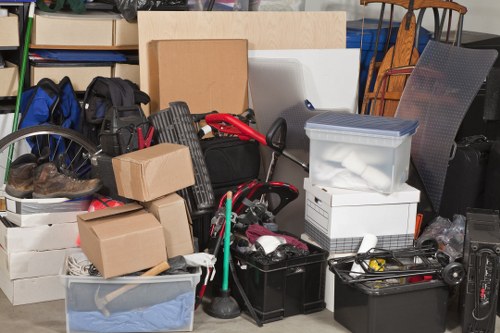
Garden clearances vary, but the waste usually falls into a handful of familiar groups. Green waste is one of the largest, including grass cuttings, hedge trimmings, prunings, branches, roots and leaf litter. In many cases, this can be cleared in bulk after a tidy-up, pruning session or seasonal overhaul. We also handle mixed garden waste where natural materials are combined with smaller items such as broken bags, tangled netting or plant containers. The aim is to separate what can be moved efficiently from anything that needs a different disposal route.
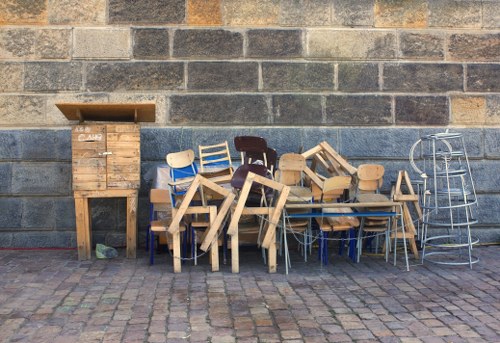
Outdoor spaces often collect non-plant items over time. Old decking offcuts, damaged trellis, dismantled planters, cracked ornaments, worn garden furniture and general junk from a shed or corner store area can all be part of a clearance. In some cases, the customer wants a full removal from the space rather than a selective tidy. In others, only the obvious waste needs to go, leaving useful items in place. That distinction matters because it affects both the labour involved and the loading plan for the job.
To keep the service clear and manageable, it helps to think in practical categories:
- green waste from pruning, mowing and seasonal cutting
- wood, plastic and mixed outdoor items
- bagged or loose waste from borders, paths and patios
- larger garden clutter such as broken seating or planters
- light shed contents that are suitable for removal
How a Clearance Is Planned and Carried Out
Every garden has its own layout, and the clearance method depends on what is present and how easy it is to reach. Straightforward jobs may be collected quickly from open lawns or driveways, while more involved jobs require careful carrying through narrow paths, side gates or shared access points. We plan around the shape of the space, the likely load size and the order in which the waste can be removed most efficiently. That approach helps reduce disruption and keeps the work focused on the areas that matter.
Where there is a lot to remove, the job may be worked through in stages: first the loose waste, then the heavier or bulkier items, then the last smaller pieces that collect under hedges, around beds or at the edge of hardstanding. This is especially useful where the garden contains both soft green waste and harder materials such as wood or broken fixtures. A good clearance leaves the area tidy enough for the next task, whether that is mowing, weeding, replanting or simply enjoying the space again. Order matters because it affects how safely and cleanly the removal is completed.
When you enquire, it is useful to explain whether the space is open, partially enclosed or tightly enclosed, and whether waste is already bagged or still loose. You do not need to overcomplicate the description; just give a clear picture of what needs shifting and any access limitations. If the job also includes a shed, garage edge or patio corner, mention that too so the quotation reflects the full scope. Accurate scope notes make it easier to match the right level of labour to the work.
Garden Clearance for Tidying Projects and Property Changes

Some clearances are part of a broader change to the property. A garden may need to be cleared before landscaping, before turf is laid, before fencing is replaced or after heavy pruning has left piles of debris across the space. In other cases, the work is less about a redesign and more about reclaiming a neglected area so it can be used again. Our service is suitable for both kinds of project, because it focuses on removing the waste that stands in the way of the next step.
We also see garden clearance requested after tenants move out, before a sale, or when a home has several outdoor areas that have been used differently over time. Those jobs can involve a combination of debris, forgotten items and old materials that no longer serve a purpose. The work is usually easier when items have been gathered together, but that is not essential. What matters most is understanding the mix of waste and the access available for loading. If there are any items that are particularly awkward, heavy or sharp-edged, it is best to mention them during the quotation stage so the job can be planned properly.
When comparing clearance options, think about the end result you want rather than just the visible waste. A partial tidy may be enough if the goal is to open paths or remove the worst piles, while a fuller clearance may be more appropriate if the garden needs to be reset. We can talk through that distinction and help identify the most practical scope. Tell us what should stay as well as what should go, and the quotation can reflect the actual work more accurately.
Thamesmead Garden Spaces and Local Character

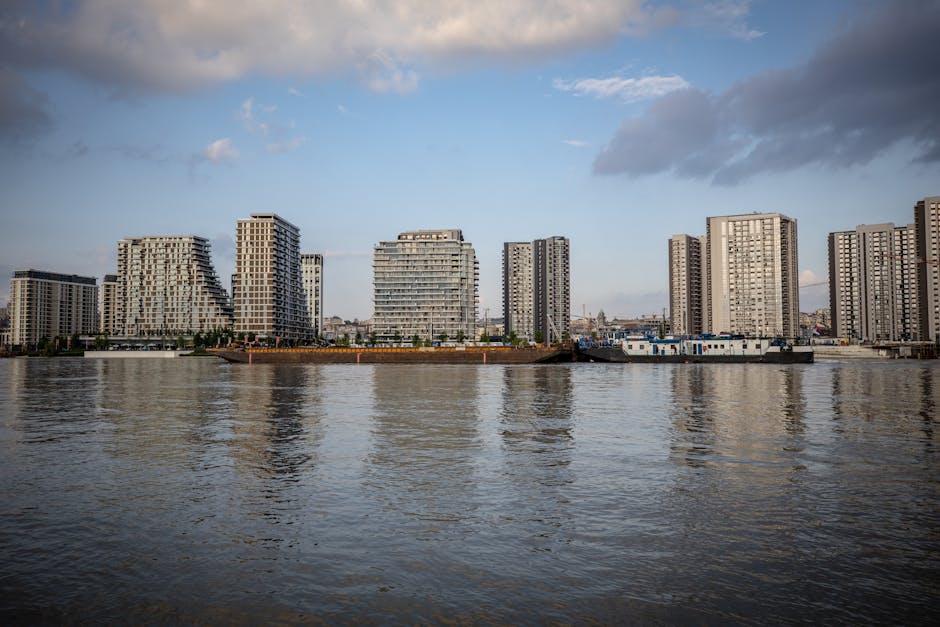
Thamesmead is a planned town on the south-east side of London, developed in the second half of the twentieth century on land beside the River Thames and the River Darent. It is known for large residential estates, broad walkways, water features and open spaces that reflect the ideals of post-war urban planning. The area sits across parts of the London Borough of Bexley and the Royal Borough of Greenwich, giving it a strong identity that is tied to both housing design and open land. Its layout includes estates, shopping parades and green corridors rather than a single historic centre.
The town’s built environment has attracted attention for its concrete architecture, elevated walkways and generous open areas, many of which were designed to separate pedestrians from traffic. Over time, the area has also developed a varied landscape of neighbourhood parks, lakes and public spaces that give it a distinctive feel. The Thames Path runs nearby, and the waterways and marshes around the town connect it to the wider river landscape of south-east London. The Abbey Wood and Bexleyheath sides of the area provide transport links, while local bus routes knit the estates together.
Green spaces are an important part of Thamesmead’s character. Southmere Lake is one of the best-known bodies of water in the town, and nearby parks and open land provide space for walking, play and community activity. The landscape includes a mix of housing, water, grassland and planted areas, which creates a setting that is both urban and open. That combination of architecture, waterways and public realm gives Thamesmead a recognisable identity that continues to evolve while retaining the large-scale planning ideas on which it was built.
Garden Waste, Recycling and Responsible Disposal
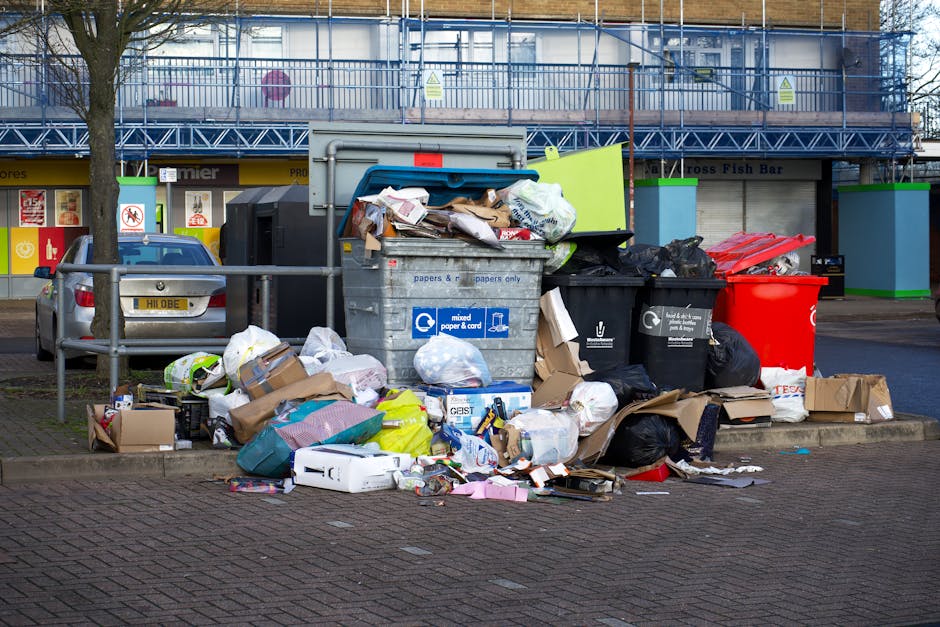
Not all garden waste behaves in the same way, so disposal has to follow the material rather than the location from which it came. Clean green waste is often handled differently from mixed loads that contain plastics, timber or general household items. Our role is to move the waste away from the garden and into a disposal route that suits the load as presented. That makes separation at the point of clearance useful, especially when the garden contains both natural waste and man-made items collected over time.
Responsible removal also means avoiding needless handling where the waste has already been grouped sensibly. Bagged cuttings, bundled branches and stacked offcuts are usually quicker to load than scattered debris, although a scattered garden can still be cleared without issue. The service is intended to be practical rather than theatrical: it is about taking the right items away, keeping the route through the property as tidy as possible and leaving the area ready for whatever comes next. A well-managed clearance reduces the amount of loose material left behind and helps the garden feel usable again.
If your project includes mixed materials, it may help to describe any separate piles you already have, such as green waste, timber or general outdoor junk. That does not mean you need to sort everything perfectly in advance; it simply gives a clearer picture of the load. We can then advise on the most sensible way to proceed. Good sorting saves time later, but the service remains useful even when the waste is still in one untidy heap.
Quotation Details and Practical Preparation
For a quotation, the most useful details are usually the approximate amount of waste, the type of material, the access route and whether anything needs to be dismantled before loading. A photograph can be helpful, but a written description is often enough if the job is straightforward. The aim is not to create extra admin; it is to make sure the proposed clearance matches the actual work. If the garden includes steps, long carrying distances or a gated side path, those details are worth mentioning because they affect how the job is organised.
It is also helpful to say whether the waste is already in one place or spread across several parts of the garden. A central pile is often simpler than several smaller piles, but both can be managed if the scope is clear. Where a job includes mixed garden and non-garden items, we may need to separate them in the quotation so the service is properly defined. That way, the work stays transparent and the customer knows what is included before the clearance begins. A clear description is usually enough to get the process moving.
When you are ready, you can ask for a quotation with the basics only: what needs removing, where it is in the property and how easy it is to reach. If there are any special constraints, mention them at the same time. Send the essentials and we can work from there. For a more detailed conversation about the scope, the best route is a direct enquiry rather than trying to guess the right amount of work in advance.
Who Garden Clearance Suits and How the Service Helps
Garden clearance suits a wide range of property types, from homes with compact courtyards to larger outdoor spaces with overgrown corners and accumulated waste. It is useful when you want the visible mess removed without taking on the labour yourself, or when the amount of waste is too large for ordinary bins and small trips to disposal points. The service is also practical after seasonal cuts, before new planting or when an area has become difficult to navigate because of clutter, branches or old outdoor items.
Because gardens often contain a mixture of materials, the service is especially helpful where the work is not as simple as cutting and bagging. A customer may need the removal of green waste, worn fixtures, broken objects and odd bits of stored outdoor clutter all in one visit. We focus on the removal side of the process so that the space can be handed back in a cleaner, more workable condition. The outcome is not just less rubbish; it is a garden that is easier to see, access and plan around.
Garden clearance is best thought of as a reset for the space. It clears away what has accumulated and makes room for maintenance, landscaping or ordinary use. If that is the stage your property has reached, we can help you shape a sensible scope and proceed with a quotation that reflects the work involved. Please use the contact route on the site to request a quotation and share the basics of the job.
Final Checks Before You Book
Before you book any clearance, it is worth taking a final look at what actually needs to go and what should remain in place. The clearest jobs are usually the ones where the customer has decided which items are part of the clearance and which items are staying. That does not require a detailed inventory; it simply means the job has a sensible boundary. If there are delicate plants, fixed structures or stored items near the waste, it helps to point them out so the removal can be carried out carefully.
Some customers prefer to ask about the likely size of the load before they commit to a booking, and that is reasonable. A quotation should reflect the material to be removed, the labour needed and the access available. If the garden is being cleared ahead of another project, it may be useful to explain the next step so the job can be aligned with that plan. We keep the service focused on removal, loading and disposal, leaving the site ready for your own follow-on work. Clarity at the start tends to make the whole process smoother.
Whether your garden contains a few awkward items or a fuller pile of seasonal waste, the aim is the same: a practical clearance that leaves the space easier to use. If you would like to move ahead, please make your enquiry and ask for a quotation. Our team can then assess the work and outline what is included without overcomplicating the process.