Creative Reuse Ideas for Disposed Cardboard Packaging
There's a quiet moment after a delivery arrives--boxes stacked by the door, a little cardboard dust in the air--and you wonder: recycle or reuse? If you've ever felt that tug to do better (and save a bit of money while you're at it), this guide is for you. We gathered the smartest, most practical Creative Reuse Ideas for Disposed Cardboard Packaging and turned them into a complete, expert-level resource you can actually use today, whether you're a household, a school, or a small UK business.
Truth be told, cardboard is one of the most forgiving materials you'll ever work with. Lightweight, easy to cut, free (most of the time), and surprisingly strong--its kinda wild how useful it is when you give it a second life. From garden mulch to stylish storage, from children's play to small business packing solutions, you'll see why reusing cardboard isn't just thrifty; it's planet-positive and, frankly, a bit satisfying.
Table of Contents
- Why This Topic Matters
- Key Benefits
- Step-by-Step Guidance
- Expert Tips
- Common Mistakes to Avoid
- Case Study or Real-World Example
- Tools, Resources & Recommendations
- Law, Compliance or Industry Standards (UK-focused)
- Checklist
- Conclusion with CTA
- FAQ
Why This Topic Matters
Let's face it: we're buying more online than ever. E-commerce has boomed, and with it, so has packaging. In the UK, paper and cardboard have some of the highest recycling rates compared to other materials, yet there's still a huge opportunity to reduce waste at source by reusing before we recycle. According to UK waste advisors and circular economy programmes, reusing packaging helps cut resource use, lowers carbon impact, and keeps materials in use for longer--perfectly aligned with the waste hierarchy: prevention -> reuse -> recycling -> recovery -> disposal.
When you choose Creative Reuse Ideas for Disposed Cardboard Packaging, you're making a practical climate decision. Manufacturing new cardboard consumes energy, water, and virgin fibres. Reuse extends the life of existing boxes and diverts material from the bin. And there's a human side: families lower household costs, schools stretch budgets, and small businesses boost margins--every little win matters.
A small moment from a Tuesday afternoon: kettle on, rain tapping the window, you tear down a box from a supermarket delivery. Instead of flattening straight for recycling, you score a neat fold, add a strip of tape, and--boom--an organiser for your hallway drawer appears. That's circular economy at kitchen-table scale. Simple. Smart. Useful.
Key Benefits
- Environmental impact: Reusing cardboard reduces demand for virgin pulp and the energy associated with production and transport. That's immediate carbon savings.
- Cost reduction: Packaging fill, storage boxes, craft materials, pet accessories--these all cost money. Cardboard is often free and widely available.
- Time savings: Turning boxes into organisers, drawer dividers, or shelf bins saves shopping trips. Clean, clear, calm. That's the goal.
- Creative learning: Cardboard projects encourage STEM thinking in kids--prototyping, measuring, testing. You can see the lightbulb moments.
- Business resilience: SMEs can repurpose boxes into protective packaging, reducing spend and improving sustainability credentials.
- Community value: Schools, maker-spaces, and community gardens can share reused cardboard for signage, mulch, or seasonal displays.
- Clutter control: Upcycled storage helps you reclaim space. Ever tried clearing a room and found yourself keeping everything? This helps.
To be fair, recycling is good. But reuse is better when it's safe and practical. And in our experience, once you start, you'll notice creative opportunities everywhere--like seeing negative space in a painting.
Step-by-Step Guidance
Below is a structured, repeatable process you can use at home or in a business setting. We'll pair it with a catalogue of Creative Reuse Ideas for Disposed Cardboard Packaging you can pick from today.
1) Sort and Assess
- Gather: Bring all boxes to a clean, dry area. Remove anything damp or mouldy (these can contaminate the rest).
- Check grades: Corrugated boxes (with wavy middle) are stronger; thin cereal boxes are better for crafts and templates.
- Prioritise condition: Keep sturdy, uncrushed boxes for structural projects; keep printed, colourful board for decor.
Micro moment: You could almost smell the papery, slightly woody scent as you stack a neat pile by size--oddly satisfying.
2) Prepare the Material
- De-tape: Peel off plastic tape, labels, and staples. This makes cutting easier and improves recyclability later.
- Flatten: Lay boxes flat to store or to cut clean shapes. Use a metal ruler and a craft knife for tidy edges.
- Clean: Wipe off dust. Avoid using water unless necessary; if you do, let the board dry fully to prevent warping.
3) Choose a Reuse Pathway
Pick a pathway that fits your goals. Start small, build confidence, then go bigger.
- Home & Organisation
- Garden & Compost
- Kids, Education & Play
- Small Business & Shipping
- Decor, Events & Seasonal
- Prototyping & DIY
- Pets & Animal Care
Pathway A: Home & Organisation
- Drawer dividers: Cut strips to fit. Wrap with scrap paper or fabric for a neat finish. Label with a marker.
- Closet boxes: Reinforce corners with hot glue or paper tape. Add handles by punching holes and threading rope.
- Charging station: Create a cable corral by cutting diagonal slots. Hide the power strip behind.
- Shoe rack risers: Stack small boxes horizontally, tape together, and cover with kraft paper for strength.
Human aside: five minutes later, your junk drawer is, well, not junky. You breathe easier.
Pathway B: Garden & Compost
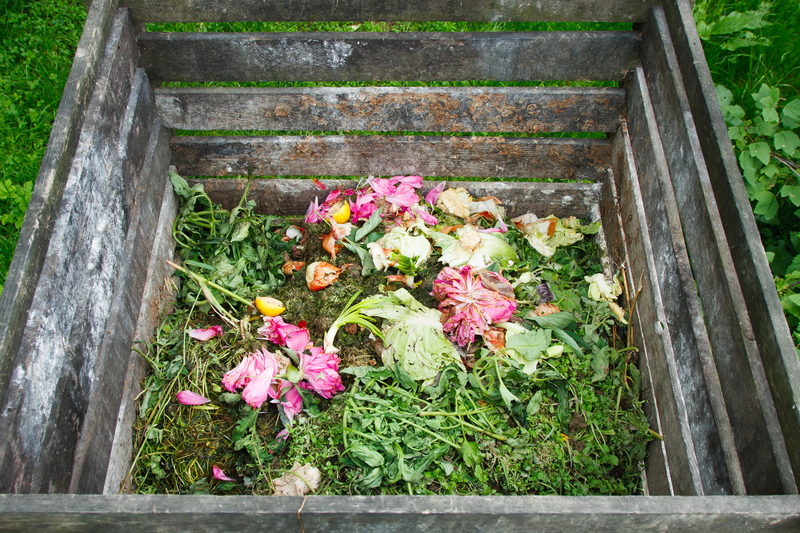
- Sheet mulch (lasagne gardening): Lay flattened cardboard over weeds, overlap edges, wet thoroughly, and cover with compost/woodchip. It suppresses weeds and feeds soil as it breaks down.
- Compost "browns": Shred clean, plain cardboard to balance "greens" like kitchen scraps. Aim for a 2:1 carbon:nitrogen ratio, roughly.
- Seed trays: Fold cereal boxes into shallow trays. Line with newspaper. Not for long-term use, but perfect for germination.
- Slug collars & root guards: Form rings around young plants to deter pests and support stems.
Note: Avoid glossy or heavily inked packaging for compost. Small amounts are okay, but plain brown is best.
Pathway C: Kids, Education & Play
- Maker kits: Pre-cut wheels, rectangles, tabs. Keep in a labelled shoebox alongside child-safe glue and crayons.
- Costumes & role play: Robot arms, knight shields, space helmets--let kids decorate with paint or foil.
- STEM bridges: Challenge kids to span 30 cm using only cardboard and tape. Test weight with coins. They love the suspense.
- Story theatre: A tabletop puppet stage from one large box. Cut a window, add curtains from old fabric.
Quick tip: keep cutters and hot glue away from small hands; pre-score pieces so kids can fold safely.
Pathway D: Small Business & Shipping
- Protective void fill: Shred or perforate old boxes to cushion shipments. It's clean, eco-friendly, and branded as "plastic-free".
- Box refurbishment: Remove labels, reinforce weak edges with paper tape, and apply a neat brand sticker. Looks tidy, feels premium.
- Dividers & inserts: Create snug compartments for jars, candles, or ceramics. Test drop from 0.5 m to check protection--gently!
- Sample kits: Low-cost prototypes for product bundles; brilliant for market testing before investing in custom packaging.
Pro move: Share a short note with customers--"Box reused to reduce waste"--most people appreciate the honesty.
Pathway E: Decor, Events & Seasonal
- Signage & wayfinding: Paint arrows and menus; seal with a light water-based varnish for short-term outdoor use.
- Party stands: Tiered dessert stands (for packaged goods), photo booth frames, and bunting from colourful offcuts.
- Seasonal displays: Autumn leaves, snowflakes, or a cosy fireplace scene in a shop window--cardboard takes paint beautifully.
- Wall art & frames: Layer corrugate for 3D textures. Keep it minimal and it can look surprisingly chic.
Pathway F: Prototyping & DIY
- Furniture mock-ups: Before buying materials, test dimensions for shelves or desks in cardboard. Adjust, then commit.
- Tool templates: Trace saws, chisels, or kitchen kit for shadow-board organisation.
- Acoustic experiments: Honeycomb panels can help reduce echo in a workshop--temporary but effective.
- Model making: Architects, game designers, and hobbyists swear by corrugate for quick, tangible iteration.
Pathway G: Pets & Animal Care
- Cat castles & scratchers: Laminate layers with PVA, cut channels for hideaways, dust a little catnip on top.
- Small animal toys: Guinea pig tunnels, rabbit chew toys (plain, non-inked board only).
- Pet beds: Line a sturdy base with a washable cushion. Replace the base when worn--easy and low-cost.
Safety note: Remove staples, tape, and any strong adhesives before giving boxes to pets.
Expert Tips
- Select the right grade: Double-wall corrugate for load-bearing or stacking; single-wall for general use; paperboard for crafts.
- Cut smarter: Use a sharp utility knife and a metal ruler. Score once, fold, then cut--clean edges, fewer ragged fibres.
- Stronger joints: Paper tape or PVA gives better bonding to fibres than plastic tape. For fast work, hot glue is great; mind the strings.
- Moisture protection: A light coat of water-based varnish or diluted PVA (50/50 with water) can stiffen and protect. Not waterproof, but splash-resistant.
- De-branding: If reusing for shipping, remove or cover old barcodes and labels to avoid courier confusion.
- Flatten for storage: Slide large flats behind a bookcase or wardrobe. Keep dry--damp cardboard invites mould.
- Design for disassembly: Use tabs and slots so the piece can be taken apart and recycled when done.
- Mind the fire risk: Keep cardboard projects away from heaters and open flames. Common sense, but worth saying.
- Think circular: Reuse -> then recycle. If a project fails, salvage the clean bits and recycle the rest.
A quick laugh: I once built a cardboard laptop stand in five minutes and used it for six months. Yeah, we've all been there.
Common Mistakes to Avoid
- Using damp or oily boxes: They'll sag, smell, and may grow mould. Recycle those instead.
- Overloading furniture builds: Cardboard can be strong, but not miracle-strong. Test gradually.
- Ignoring safety: Dull blades slip more than sharp ones. Use a cutting mat and keep fingers tucked.
- Too much plastic tape: It ruins recyclability and looks messy. Choose paper tape or glue where possible.
- Skipping measurements: Measure twice, cut once. Saves time and frustration--no surprise there.
- Wrong cardboard for compost: Avoid glossy, heavy-inked pieces in soil systems. Keep it plain.
- Not removing data labels: Peel off your address labels before reusing boxes externally--privacy matters.
Case Study or Real-World Example
1) London Cafe: Packaging to Garden Gold
A neighbourhood cafe in Hackney received daily deliveries in double-wall corrugated boxes. Instead of sending everything straight to recycling, the owner teamed up with a community garden. They flattened boxes, removed tape, and used them as sheet mulch under new beds. The result? Weed pressure dropped, watering frequency reduced (mulch helps retain moisture), and soil life improved within a season. The cafe saved on waste collections, and the garden saved on weed membrane--win-win. On a damp April morning, you could see steam rising off the mulched beds after a light rain. Lush.
2) Independent E-commerce Brand: Zero-Plastic Void Fill
A small skincare brand in Manchester invested in a cardboard perforator (about the size of a desktop printer). They fed in used boxes and produced flexible, honeycomb-like matting for void fill. Over six months, they reduced packaging spend by 35%, eliminated plastic air pillows, and their customer feedback improved--people loved the sustainable touch. They shared "We reuse boxes to protect your order" right on the packing slip. Simple transparency built trust.
3) Family Move Re-Imagined
During a house move in Bristol, one family used old boxes to create a coded labelling system: colour blocks cut from cereal boxes glued to box tops (red for kitchen, blue for bedrooms). Unpacking time dropped by a third. Little victory, big relief when you're surrounded by stuff and the kettle's gone missing--again.
Tools, Resources & Recommendations
Tools
- Cutting: Sharp craft knife, spare blades, heavy scissors, metal ruler, cutting mat.
- Fixing: Paper tape, PVA glue, hot glue gun, clips or pegs for clamping.
- Shaping: Bone folder or back of a spoon for creasing; hole punch; awl for starting holes.
- Finishing: Non-toxic paints, water-based varnish, eco markers, kraft paper for wraps.
- Processing: Hand shredder, perforator, or a simple pair of scissors for strips (budget-friendly and fine).
Material Sourcing
- Household deliveries: Supermarkets, online retailers, subscription boxes--ask neighbours too.
- Local shops: Ask for clean boxes on delivery days. Offer to collect at set times to help them.
- Community groups: School PTAs, Freecycle-style groups, local Facebook communities.
Authoritative References & Frameworks
- Waste Hierarchy (UK/EU): Prioritises prevention and reuse before recycling.
- WRAP guidance: Practical advice on reuse and recycling best practice across the UK.
- DEFRA: Policy and updates on Extended Producer Responsibility (EPR) for packaging.
- ISO 14001: Environmental management systems--a useful framework for businesses scaling reuse programmes.
- PAS 2050 / PAS 2060: Carbon accounting and neutrality guidance for companies wanting to quantify impact.
In our experience, pairing these frameworks with simple day-to-day actions is what turns good ideas into consistent habits.
Law, Compliance or Industry Standards (UK-focused if applicable)
While most household reuse is straightforward, businesses should be mindful of a few UK rules and standards when applying Creative Reuse Ideas for Disposed Cardboard Packaging.
- Waste Duty of Care (Environmental Protection Act 1990): If you handle waste (including packaging), you must prevent harm. Keep cardboard clean, dry, and well stored.
- Waste Hierarchy & EPR: UK packaging Extended Producer Responsibility (rolling out from 2023 onward) incentivises reduction and reuse. Reusing boxes can lower overall compliance costs and improve reporting outcomes.
- Food contact: Do not reuse non-food-grade cardboard for direct food contact. If you line a reused box, ensure the liner is food-safe and compliant.
- Labelling & barcodes: Remove old shipping barcodes/labels to prevent logistics errors.
- Product safety: If selling cardboard-based toys or furniture, you may fall under product safety regulations and UKCA/CE marking obligations. Consider strength, flammability, and child safety standards.
- Fire safety: Cardboard is combustible. Keep large storage quantities away from ignition sources and follow workplace fire risk assessments.
- Data protection: Remove or obscure address labels to avoid personal data exposure.
- Pest control: Store reused cardboard off the floor, dry and sealed where possible, to deter pests--especially in food businesses.
For SMEs, adopting an environmental policy aligned with ISO 14001 helps embed reuse into everyday decisions. It sounds formal, but even a one-page policy can drive meaningful change.
Checklist
- Gather clean, dry boxes; separate by strength and size.
- Remove tape, labels, staples; flatten for storage.
- Pick a reuse pathway (home, garden, business, etc.).
- Measure twice, cut once; use sharp tools and a mat.
- Use paper tape/PVA for strong, recyclable joins.
- Keep projects away from heat sources.
- For compost: use plain, non-glossy cardboard only.
- For shipping: remove barcodes; test protection with drop checks.
- Store leftovers dry; recycle offcuts that are too small or tatty.
- Tell your story--people value transparency and reuse.
Conclusion with CTA
Cardboard is more than a box. It's a bridge between what you have and what you need, right now--organisation, protection, play, prototypes, garden mulch. When you embrace Creative Reuse Ideas for Disposed Cardboard Packaging, you're part of a bigger shift: from take-make-dispose to a calmer, smarter loop where materials live longer and cost less.
Start with one drawer divider. Or one mulched bed. Or one shipment packed with reused void fill. You'll feel the difference almost immediately--tidier spaces, lower costs, lighter footprint.
Get a free quote today and see how much you can save.
And take a breath. Small, steady changes add up. You're doing more than you think.
FAQ
What are the easiest Creative Reuse Ideas for Disposed Cardboard Packaging for beginners?
Start with drawer dividers, cable organisers, and compost "browns." These require minimal tools and deliver quick wins. For businesses, shredding old boxes into void fill is a simple, high-impact step.
Is all cardboard safe to use in the garden?
Use plain, uncoated cardboard with minimal ink for sheet mulching and compost. Avoid glossy, heavily printed, or waxed board. Remove tape and staples first.
How do I remove stubborn tape and labels without tearing the board?
Warm the adhesive gently with a hairdryer, peel slowly, and use a plastic scraper. Sticky residue can be covered with paper tape if appearance matters.
Can I reuse cardboard boxes for shipping without looking unprofessional?
Absolutely. De-brand boxes, reinforce weak points with paper tape, and apply a clean brand label. Add a small note explaining your reuse policy--customers tend to appreciate the honesty.
How can I strengthen cardboard for heavier projects?
Laminate layers with PVA, alternate corrugation direction, and add internal ribs. Edges carry loads--reinforce corners and use snug-fitting tabs for extra rigidity.
Is cardboard furniture actually safe to use?
For light-duty use, yes--especially as prototypes or temporary pieces. Don't overload, keep away from moisture and heat, and test progressively. If selling, assess against applicable safety standards.
What about pests or smells in reused packaging?
Store cardboard dry, off the floor, and away from food. Avoid using boxes that smell of oils or chemicals. If in doubt, recycle that piece and pick a cleaner one.
How do I waterproof a cardboard project?
Cardboard can be made splash-resistant with diluted PVA or a water-based varnish, but it's not truly waterproof. For outdoor use, treat it as temporary or protect with covers.
Is it better to recycle or reuse cardboard?
Reuse first where practical--then recycle. Reuse extends the material's life and reduces the need for new production. Once a reused item wears out, make sure it's clean enough to recycle.
Can I sell crafts made from reused cardboard?
Yes, but consider product safety (especially for children), durability, and clear care instructions. Avoid claims like "waterproof" unless tested. For toys or functional items, check relevant UK regulations.
Are coloured cereal boxes safe for kids' crafts?
Generally yes for crafts, but avoid giving very small pieces to young children who might mouth them. For compost or pet chew toys, stick to plain, non-glossy board.
How do I make cardboard void fill without a machine?
Cut strips with scissors, crumple by hand, or slice a mesh pattern with a utility knife to create flexible cushioning. Not as fast as a perforator, but perfectly serviceable.
What tools do I really need to get started?
A sharp craft knife, metal ruler, cutting mat, paper tape, and PVA glue. That's it. Everything else is a bonus.
Any quick way to check if a reused shipping box is strong enough?
Load-test it gently: press on the top and listen for crunching, check corner integrity, and do a low-height drop test with soft contents. If it creases too easily, use it for lighter items or convert it into void fill.
How do I store surplus cardboard neatly at home?
Flatten and tie bundles with string, then slide behind wardrobes or under a bed. Keep away from damp walls and radiators. Rotate older pieces first, like stock in a shop.
What if my cardboard is slightly damp?
Dry it thoroughly in a warm, ventilated space. If it warps or smells after drying, recycle it. Don't risk mould--especially around kids or pets.
Can I use reused cardboard for moving house?
Yes. Prioritise sturdy, double-wall boxes for heavy items. Reinforce seams with paper tape, label clearly, and use crumpled cardboard strips for cushioning. Colour-coding rooms saves sanity on moving day.
Where can I find larger quantities for a community project?
Ask local retailers for delivery-day leftovers, contact community groups, or arrange a regular pickup with a friendly shop. Offer to collect at set times to make it easy for them.
One last thought: you don't need perfection to start--just one box and a bit of curiosity. The rest unfolds naturally.